

Description
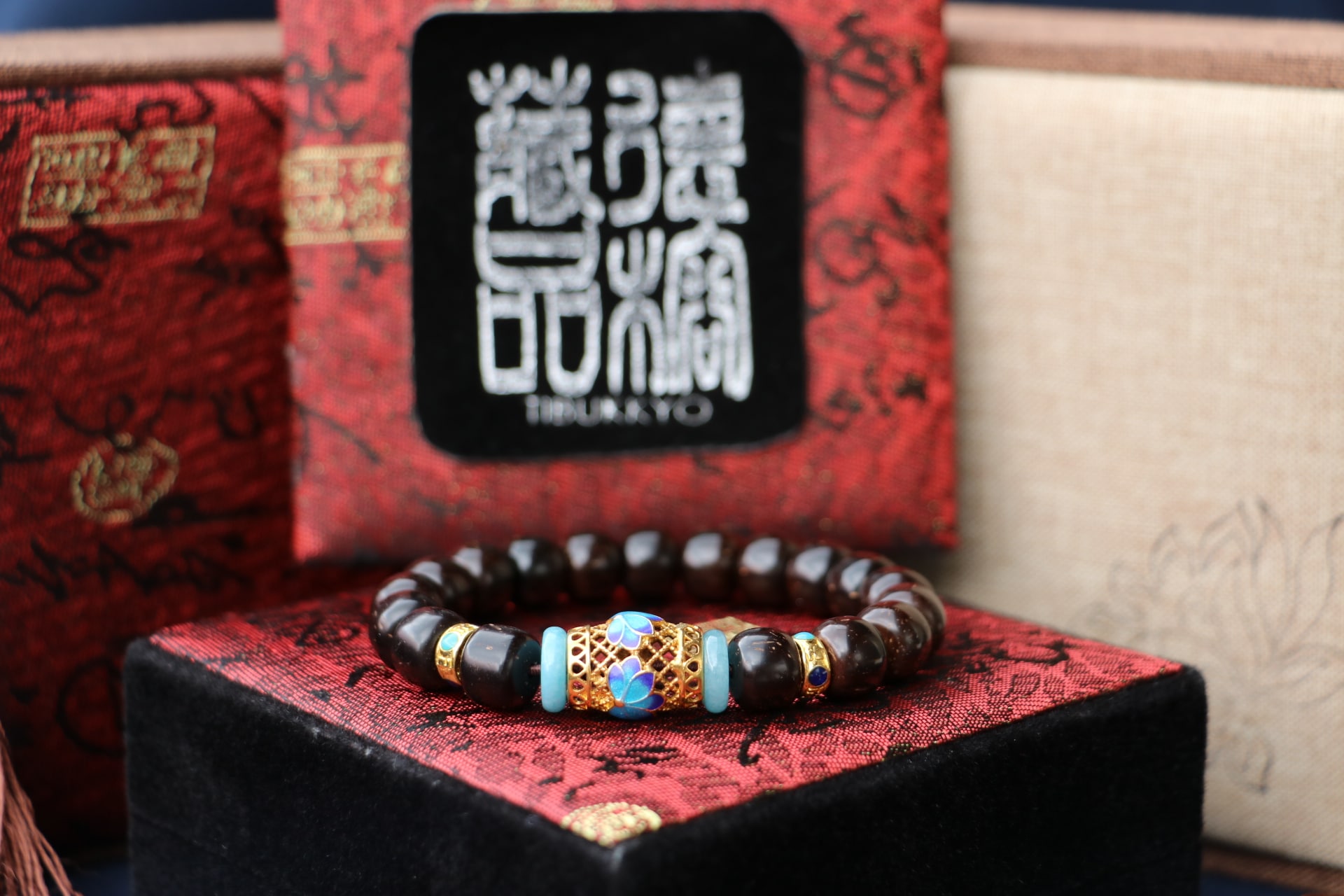
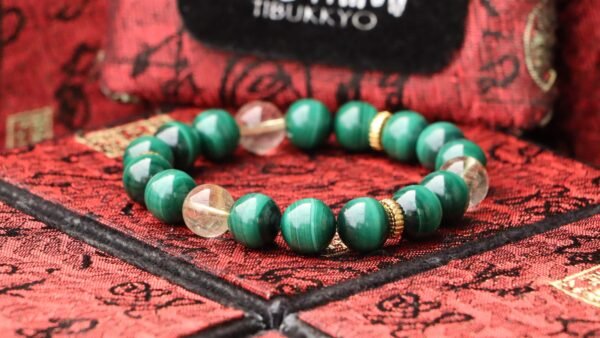
Tibukkyo Derong collection spot supply coconut stalk Indonesian material 10x8mm bucket beads
It's horizontal, and the coconut tip is straight)
Accessories: Cloisonne brass spacers
Hand circumference: 16cm
◎Can be sent directly to Hong Kong, Macau/Singapore and Malaysia
◎Taipei City welcomes face-to-face self-pickup, customized design by letter
Coconut can only be up to 10mm, Coconut grade in addition to look at the number of brown lines (the more brown lines the worse the grade), color and luster (if the lack of color is poor grade), the size of the most important grade classification basis; Coconut thickness (high) the greater the value of the type of higher.
Never dyed (you can clearly see the coconut texture), never coconut shell (coconut shell of the brown line)
Coconut introduction:
Coconut beads, the king of black rosaries, have a long history and are an important representative of the fruit type of beads. Coconut, or hollandaise, is an evergreen tree that grows in tropical regions. The fruit is called coconut and is used to make Buddhist beads. The coconut shell is derived from the inner pericarp of the coconut in the palm family, and the coconut's tip is the point where the coconut is attached to the tree.
Therefore, the tip of the coconut is more precious than the coconut shell, there is only one tip of a coconut, and one tip can only produce 1-2 coconut beads. In the Tang and Song Dynasty, there were coconut shell beads, and in the Qing Dynasty, there are historical records that the beads have been favored by Chinese and Tibetan Buddhists since ancient times. In the Qing Dynasty, it was called "Wooden Tooth", "Coconut Tee", "Mangkwan" (today, Mangkwan refers to the wooden beads made of dried and ground coconut trees), and it was also known as "Coconut Bead" in the Qing Dynasty.
Coconut stalks and coconut shells will become blacker and brighter after being pulped, and they are sweat-resistant and easy to play. If it is black and bright when you get it, without brown lines and brown eyes, and it looks solid black under the light, it belongs to dyed and oil-simmered coconut stalks and coconut shells.
Reviews
There are no reviews yet.