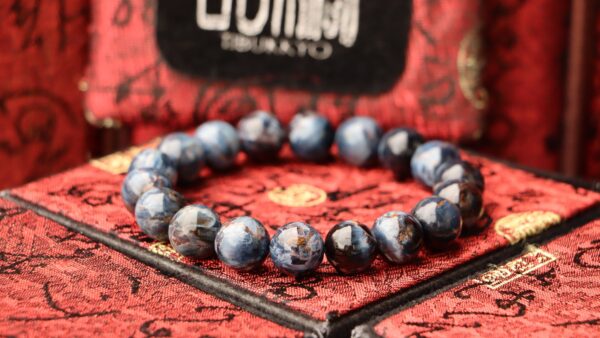
描述
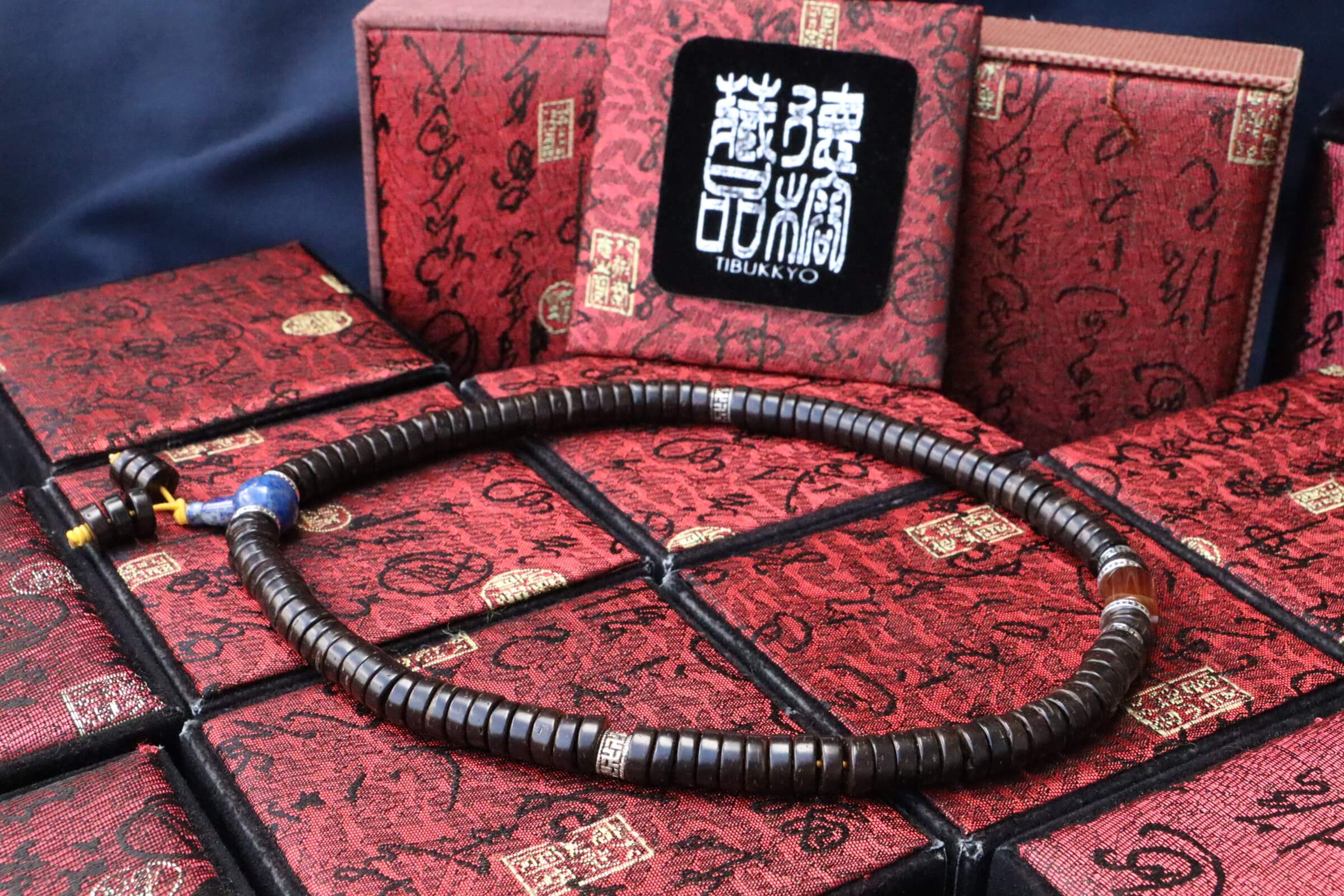
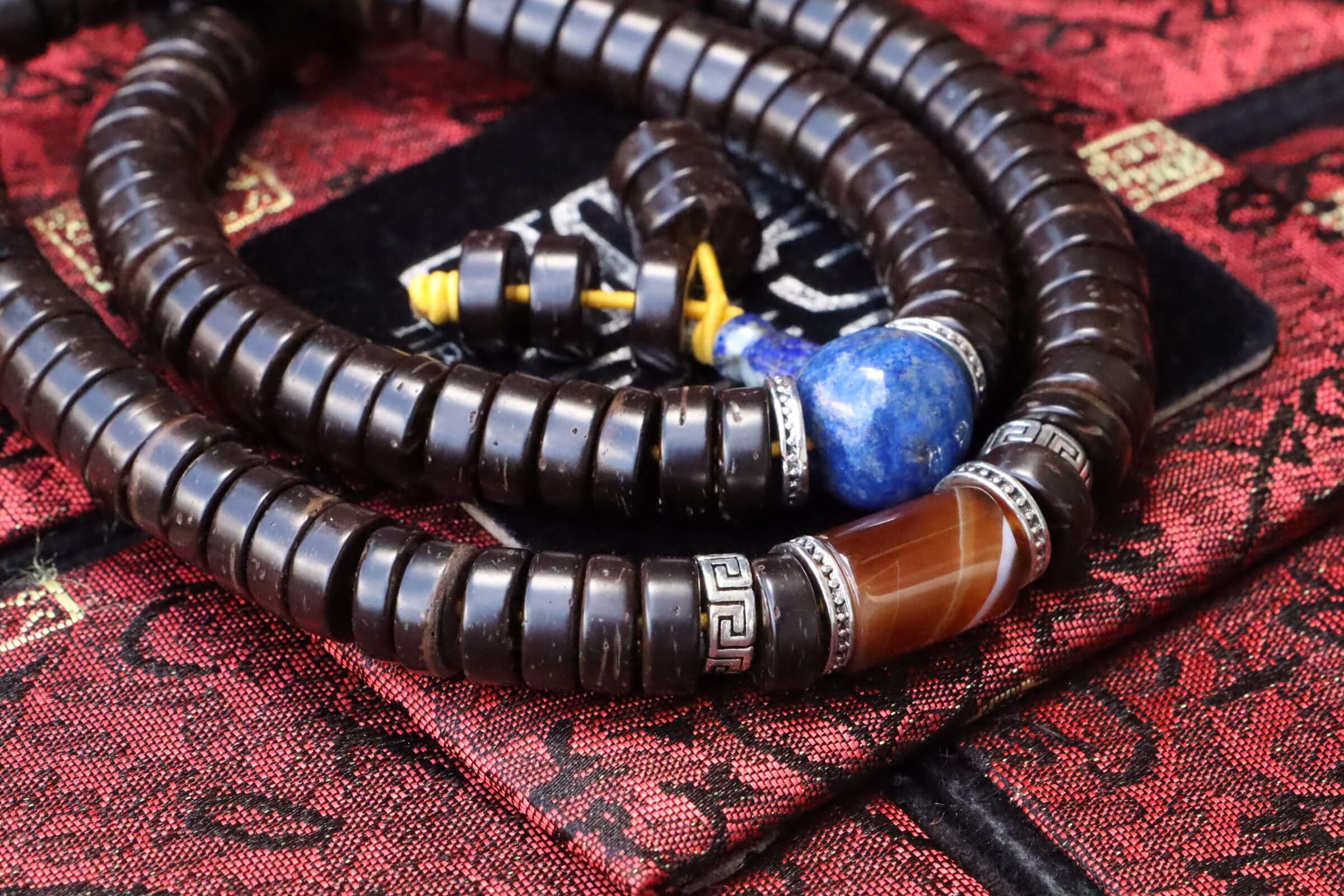
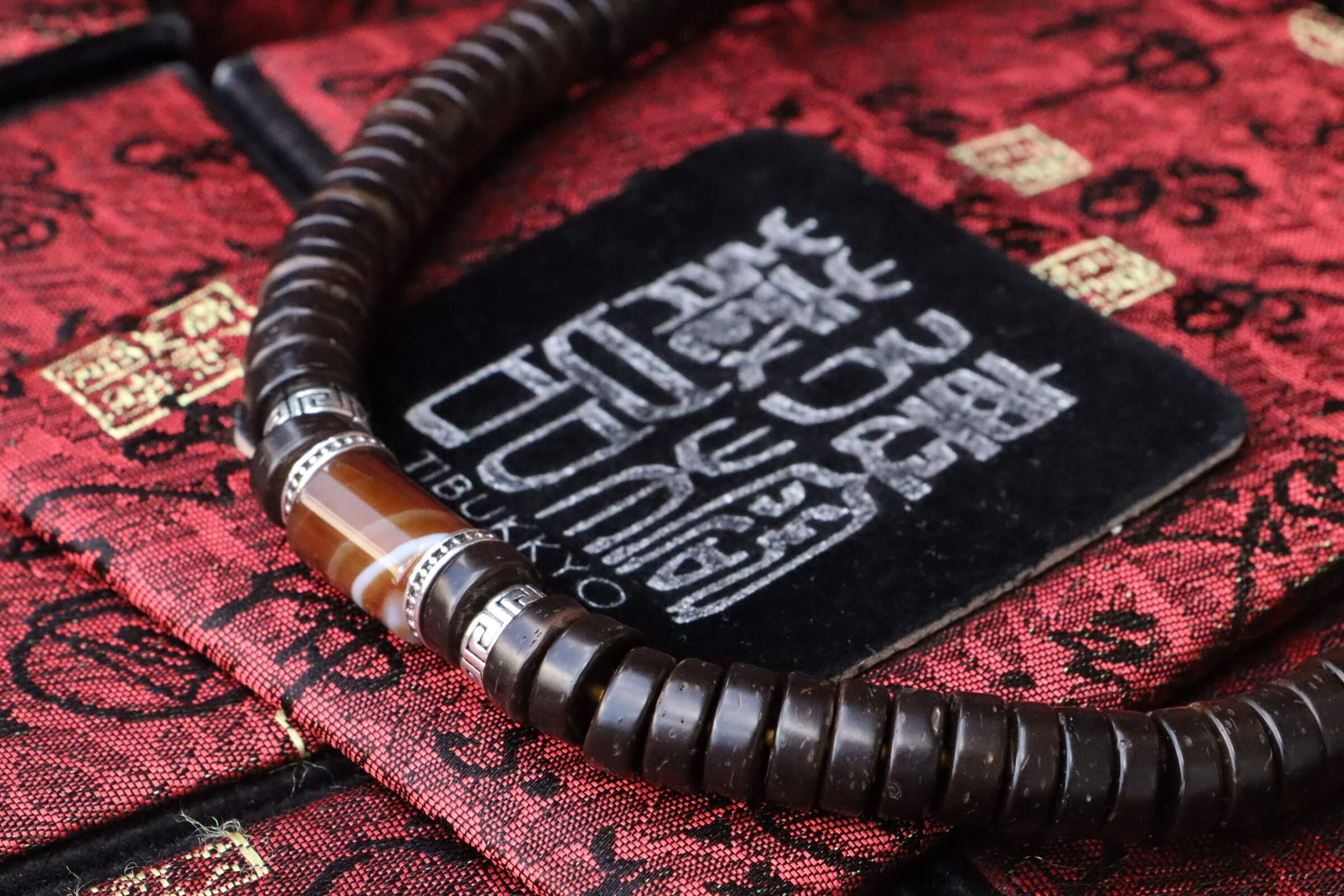
Tibukkyo台灣德榕藏品|無染色椰殼菩提子10x4mm藥片|108顆
◎配飾:原礦青金石佛頭|蠶絲瑪瑙桶珠
◎Can be sent directly to Hong Kong, Macau/Singapore and Malaysia
◎Taipei City welcomes face-to-face self-pickup, customized design by letter
椰殼介紹
The king of black rosary beads, coconut shell beads, has a long history and is an important representative of fruit beads. Coconut, or "twig", is an evergreen tree that grows in tropical regions. The fruit is called coconut, which can be used to make beads. The source of the coconut husk in essence is the endocarp of the palm plant coconut, and the coconut pedicle is the position where the coconut is connected to the tree. Therefore, the coconut pedicle is more precious than the coconut shell. A coconut has only one pedicle, and a pedicle can only produce 1-2 coconut beads. Coconut shell Buddha beads existed in the Tang and Song Dynasties, and historical data can be found in the Qing Dynasty. They have been loved by Chinese and Tibetan Buddhism since ancient times. In the Qing Dynasty, it was called "wood teeth", "coconut stem" and "man guan" (today man guan mostly refers to wooden beads made from coconut tree trunks),
Coconut stalks and coconut shells will become blacker and brighter after being pulped, and they are sweat-resistant and easy to play. If it is black and bright when you get it, without brown lines and brown eyes, and it looks solid black under the light, it belongs to dyed and oil-simmered coconut stalks and coconut shells.
更多詳細情形,椰蒂椰殼相關文章參考:
Beads Wenwan Knowledge | What is Coconut Bodhi? How to distinguish whether the coconut shell is dyed
 繁體中文
繁體中文  English
 日本語
日本語
 ไทย
ไทย
 Tiếng Việt